Protect • Correct • Maintain
Pigmentation is complex. Whether it's sun damage, age spots, melasma, post-inflammatory pigmentation or uneven skin tone, successful treatment starts by understanding what's driving it in the first place — then preparing, treating and protecting the skin for safer, longer-lasting results.
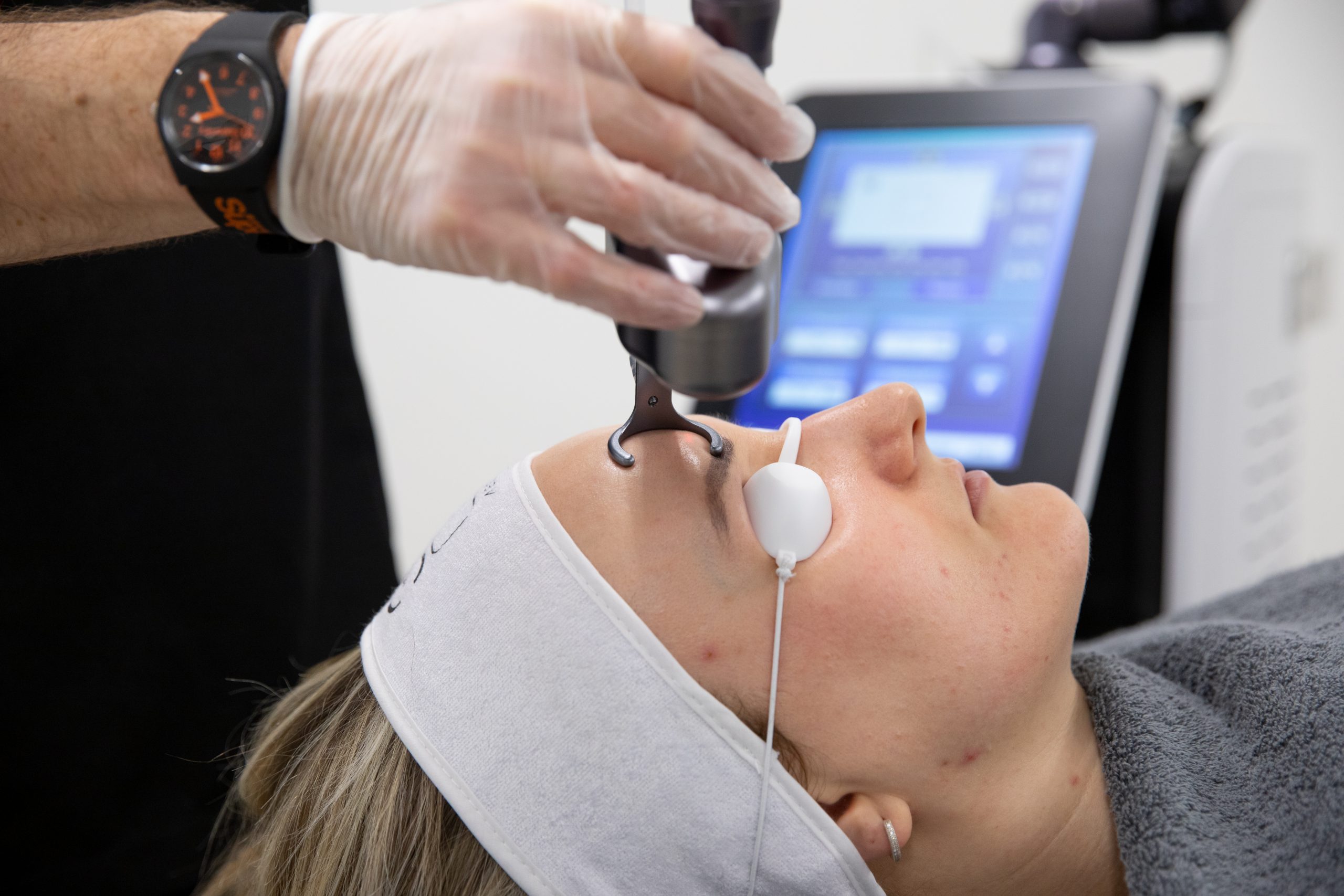
Pigmentation is rarely caused by a single factor. It happens when melanocytes — the cells that produce pigment — are over-stimulated, and many different things can set that off.
Because the cause is usually a combination of factors, identifying what's driving your pigmentation is often critical to long-term success — and it's exactly why treatment can fail when underlying triggers are ignored.
Many clinics jump straight to treatment. Our philosophy is to calm, protect, support, treat and maintain — for safer, longer-lasting results.
A complete skin-health journey rather than a single treatment — designed for safer, more predictable, longer-lasting results.
Healthy skin responds more predictably to treatment. Jumping straight to a laser or peel on an inflamed, compromised barrier is one of the most common reasons pigmentation treatments disappoint — or even trigger more pigment.
That's why we prepare the skin first, calming inflammation and strengthening the barrier so it's resilient, balanced and ready to respond safely.
A structured four-week programme to get your skin calm, strong and ready — so treatment is safer and results last longer.
Reduce inflammation and oxidative stress to settle the skin.
Support melanocyte regulation and strengthen the skin barrier.
Improve resilience and your skin's tolerance to treatment.
Optimise skin health and reduce trigger activity ahead of treatment.
That's what your consultation is for — we identify the cause first, then recommend the right plan.
Book a Pigmentation ConsultationTreatment recommendations depend on your skin type, pigmentation type and underlying triggers. We build the right combination for you — never one-size-fits-all.
Advanced laser technology that targets and breaks down unwanted pigment, helping to clear sun damage, age spots and uneven tone.
Learn moreResurfaces and renews the skin, helping to improve texture, sun damage and pigment irregularities.
Learn moreStimulates renewal and remodelling to improve tone, texture and overall skin quality.
Learn moreTargeted, controlled exfoliation to brighten, even out tone and encourage fresh, healthy skin.
A calming, supportive therapy that helps reduce inflammation and aid skin recovery alongside other treatments.
Learn morePrescriptive homecare — including pigment control, antioxidants and SPF — that supports and extends your clinic results.
We never over-promise. The right treatment, intensity and combination are always decided after a personalised consultation and skin assessment.
From precise, targeted treatment through to guided recovery — here's what the process looks like at our Leamington Spa clinic.
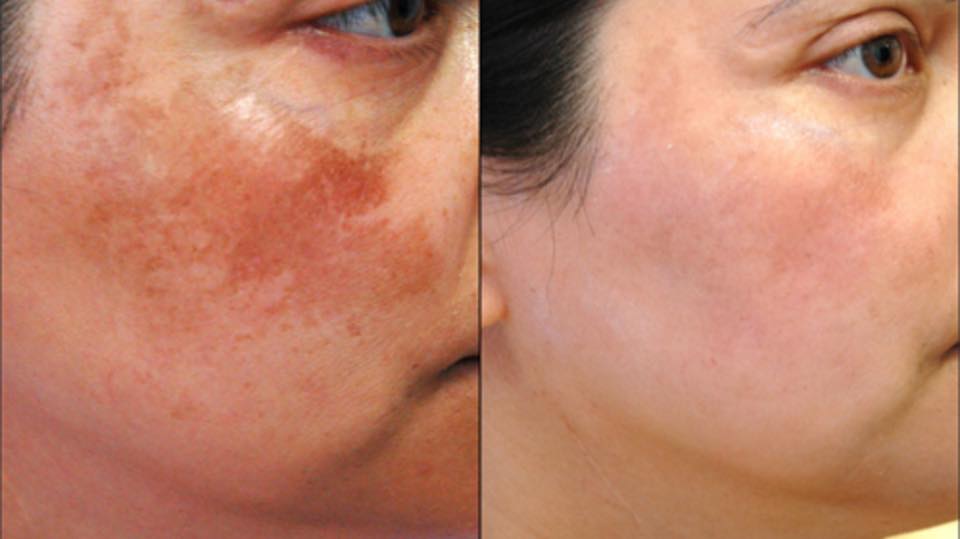
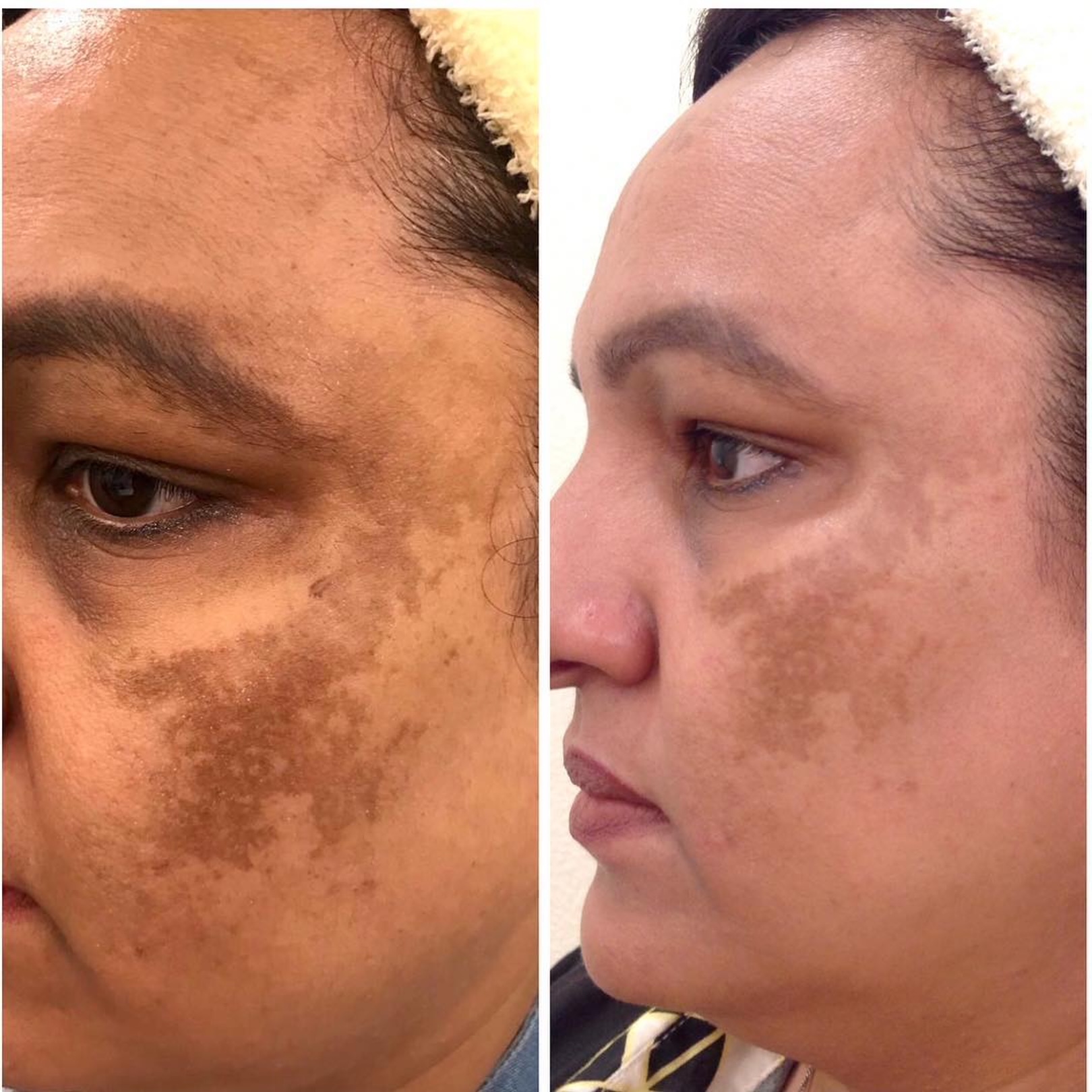
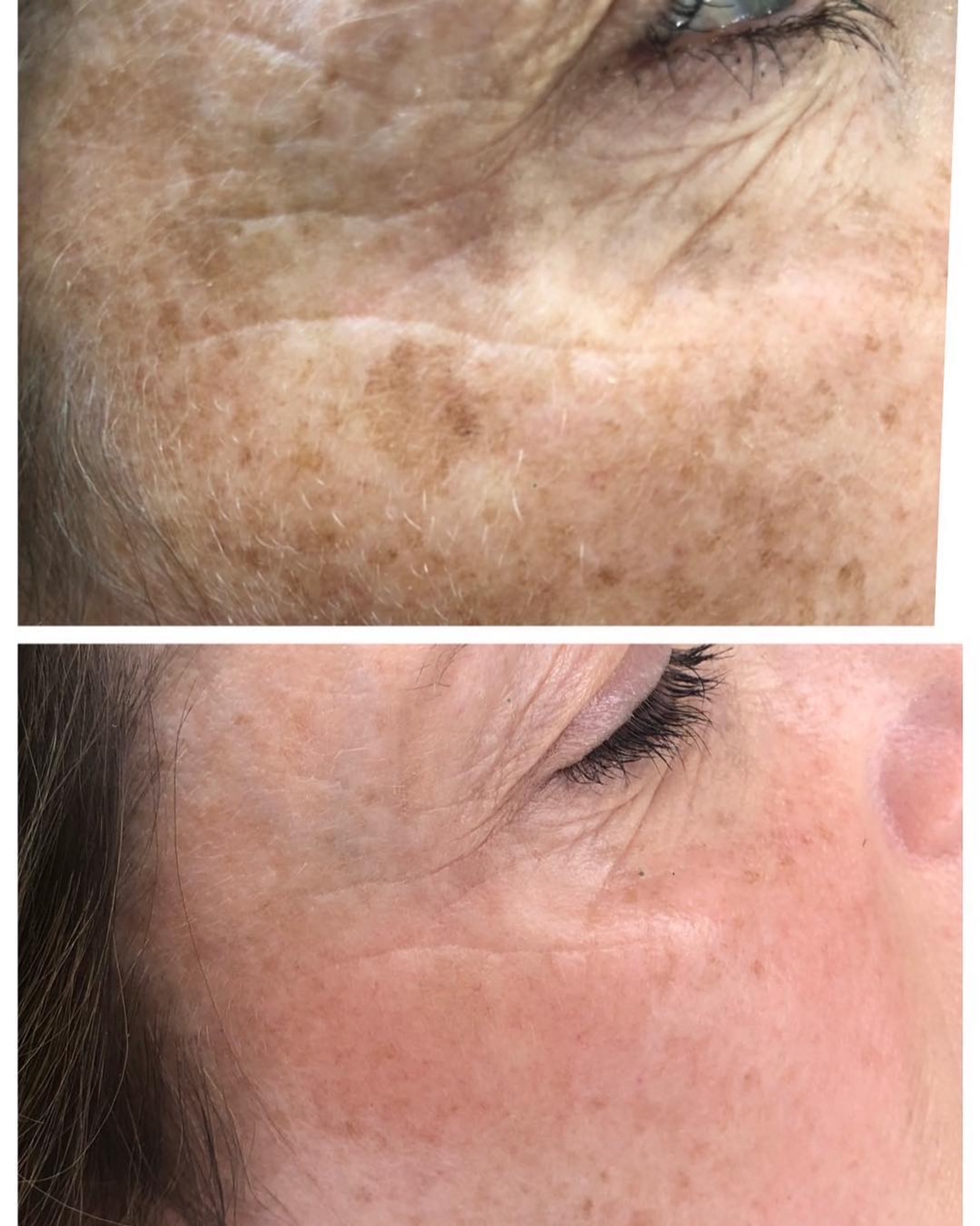
Individual results vary. Images are for illustration — your own plan and expected outcome are discussed at consultation.
What happens in the first 0–7 days after treatment matters enormously. Good recovery calms inflammation, supports regeneration and — crucially — helps minimise the risk of post-inflammatory hyperpigmentation (PIH).
We guide you through every step with the right aftercare, so your skin heals comfortably and your results have the best chance to last.
Pigmentation often returns if the triggers behind it stay unmanaged. That's why maintenance is just as important as the treatment itself.
Most people protect against the sun — but visible light (HEV) isn't only sunlight. It comes from all around us, and may stimulate melanocyte activity and contribute to pigmentation, even indoors.
Standard sunscreen mainly filters UV. Iron oxides (found in tinted SPF) add a layer of protection specifically against visible light — which is why they're so important for anyone prone to pigmentation, melasma or uneven tone.
Hormonal changes may influence pigment production and how the skin behaves. For some people, pigmentation such as melasma can be associated with hormonal shifts — which is why we always consider them as part of your bigger picture.
Understanding these factors helps us set realistic expectations and build a plan that works with your skin.
For some clients, additional testing can offer insight into factors associated with skin health and inflammation — helping us shape more personalised recommendations.
Insight into gut health, bacterial balance and inflammation-related patterns.
Explores potential dietary triggers and personalised nutritional insights.
How your body processes nutrients, detoxifies and regulates inflammation.
Insight into hormonal patterns that may influence the skin.
Markers associated with chronic inflammation and oxidative stress.
Sleep, stress, recovery and daily habits that influence skin health.
These tests do not diagnose pigmentation disorders. They are optional and supportive — used to help provide additional insight for personalised recommendations, never as a replacement for medical diagnosis or care.
A consultation-led, evidence-based approach backed by genuine industry pedigree — so you're in expert, experienced hands.
Pigmentation happens when the skin's pigment-producing cells are over-stimulated. It's rarely one thing — UV and visible light, hormones, inflammation, skin trauma, acne, heat, genetics and oxidative stress can all play a part. Identifying which apply to you is key to lasting results.
Yes — pigmentation often returns if the triggers behind it remain unmanaged, especially without daily sun and visible-light protection. That's why we treat maintenance as equally important as treatment, and build a long-term plan with you.
Healthy, calm skin responds more predictably and safely to treatment. Preparing the barrier and reducing inflammation first helps lower the risk of post-inflammatory pigmentation and gives your results the best chance to last — which is why we use a 4-week prep plan.
Visible light (HEV) isn't only sunlight — it also comes from windows, daylight, screens, phones and indoor lighting. It may stimulate melanocyte activity and contribute to pigmentation, which is why protection matters even indoors.
For pigmentation-prone skin, yes — daily SPF is recommended even indoors, particularly near windows, screens and bright lighting. We suggest a tinted SPF containing iron oxides for added protection against visible light, reapplied through the day.
It depends entirely on your skin type, the type of pigmentation and its underlying triggers. We never over-promise — your personalised plan and a clear, fixed-price quote are agreed at your consultation after a proper skin assessment.
The first 0–7 days focus on recovery — calming inflammation, supporting regeneration with growth factors and regenerative skincare, repairing the barrier and protecting with broad-spectrum SPF to minimise the risk of PIH. We guide you through every step.
We recommend a barrier-first routine with gentle cleansing, antioxidants, pigment-control ingredients and daily SPF, supported by medical-grade homecare matched to your skin. Good homecare is what makes clinic results last.
They can be a factor. Hormonal changes — such as pregnancy, menopause, contraceptives and thyroid changes — may influence pigment production and how the skin behaves. Conditions like melasma can be associated with hormonal shifts, so we always consider them in your plan.
That's exactly what your consultation answers. Depending on your skin and pigmentation type, options may include our 3D Nanosure laser, CO2 fractional laser, RF microneedling, professional peels, LED therapy and medical-grade skincare — chosen and combined specifically for you.
Book your free, no-obligation pigmentation consultation. We'll identify what's driving your pigmentation first — then build a safe, personalised plan for clearer, healthier skin.
Book a Pigmentation Consultation