
The sting arrives before the shave is finished. You're standing in the bathroom with a razor in hand, and yesterday's raised bumps are still visible along your jawline, bikini line or underarm. You shave around them anyway, then notice a fresh red dot a day or two later. Your fingers go straight towards it, ready to pick or squeeze.
That cycle can make smooth skin feel like a losing battle. Shaving, waxing or plucking removes the hair, but the same irritated follicles keep producing the same bumps. A soothing product may calm the surface temporarily, yet the next hair-removal session starts the problem again.
Effective ingrown hair prevention is less about finding one miracle scrub and more about changing the behaviour that repeatedly irritates the follicle. The NHS and British Association of Dermatologists both place reducing or stopping hair removal at the centre of prevention, and dermatology guidance recognises that inflammation can take 4–6 weeks to settle after the trigger is removed (NHS guidance on ingrown hairs, British Association of Dermatologists guidance on pseudofolliculitis). Your routine needs to match the method you use, the area you treat and the way your skin reacts.
Table of Contents
- The Moment You Realise Something Is Off
- Why Ingrown Hairs Happen in the First Place
- Building a Shaving Routine That Stops Them
- Choosing Between Shaving, Waxing, Epilators and Creams
- Daily Skincare Habits That Keep Follicles Clear
- When Professional Treatments Become the Smart Choice
- Your Four to Six Week Reset Plan
The Moment You Realise Something Is Off
You notice the problem during the next shave: a tender bump sits along your jawline, neck, bikini line, or underarm. You slow down, stretch the surrounding skin, and make another pass from a new direction. The visible hair may disappear, but pressure and friction reach a follicle that is already inflamed.
By the following morning, the area feels hot or prickly. A small papule has appeared beside the original bump, and your fingers start searching for it. Picking can turn manageable irritation into an open spot, a persistent mark, or a more inflamed lesion.
The practical shift: Treat the repeated hair-removal behaviour, not each bump as a separate skincare problem. Prevention starts with an honest audit of what happens before, during, and after removal.
Repeated close shaving commonly affects the beard area, neck, and bikini line. Waxing, tweezing, and epilation can create a similar cycle when removal irritates the follicle or regrowth cannot find a clear route through the skin. A post-treatment product may soothe the surface, but it cannot cancel out a technique that keeps recreating the trigger.
Ask yourself:
- How often are you removing hair? Daily or very frequent removal leaves irritated skin less time to settle.
- How close are you shaving? A very close cut can retract into the follicle and raise the chance of re-entry.
- Which direction are you moving? Shaving against growth may feel smoother, yet it increases mechanical irritation.
- What happens afterwards? Heat, rubbing, tight clothing, picking, and heavily fragranced products can make freshly treated skin more reactive.
- Do the bumps follow the same pattern? Recurrent papules in one area point to a routine problem rather than a single faulty product.
Change one behaviour at a time where possible, then judge the result over several weeks. Reduce the repeated trigger, protect the follicle while hair regrows, and leave existing inflammation undisturbed. The BAD describes a 4–6 week settling period after stopping shaving, waxing, or tweezing, so prevention requires a medium-term behaviour change rather than an overnight repair (BAD pseudofolliculitis guidance).
Why Ingrown Hairs Happen in the First Place
You shave, wax or tweeze an area, then notice a tender bump a few days later. The hair has not necessarily stopped growing. It may have curved back into the skin, become trapped beneath surface debris or met resistance from a swollen, irritated follicle.
Coarse or curly hair is more likely to bend back towards the skin, especially after close removal. Hair shape, growth direction and repeated mechanical disturbance all influence the result. This is not evidence that you have neglected your skin, and it is not solved by scrubbing harder.
Dead skin can narrow the follicle opening. Occlusive products, rubbing and inflammation may add further obstruction, leaving a new strand to grow sideways rather than outwards. Hormonal changes can also affect oiliness or hair growth in some people. Persistent or widespread symptoms need proper assessment instead of guesswork.
Location often reveals the trigger. Beard and neck hair may be coarse and tightly curled. The bikini line and underarms face warmth, friction and repeated removal. Legs can react to frequent shaving, dry skin or clothing rubbing against freshly treated areas.
Prevention works best as a behaviour change project. Reduce the repeated trigger, give irritated skin time to settle and avoid disturbing existing bumps. A realistic recovery window is 4–6 week, rather than an overnight repair, particularly when shaving, waxing or tweezing has been part of the routine for a long time.
The NHS hierarchy starts with reducing hair removal where possible. If shaving is necessary, its advice includes leaving at least 1 mm of stubble, following the direction of growth, using as few strokes as possible, rinsing the razor after each stroke and avoiding daily shaving where possible (NHS ingrown hair advice). Warm water, shaving gel, a cool wet cloth afterwards, gentle exfoliation and an electric razor are also practical options.
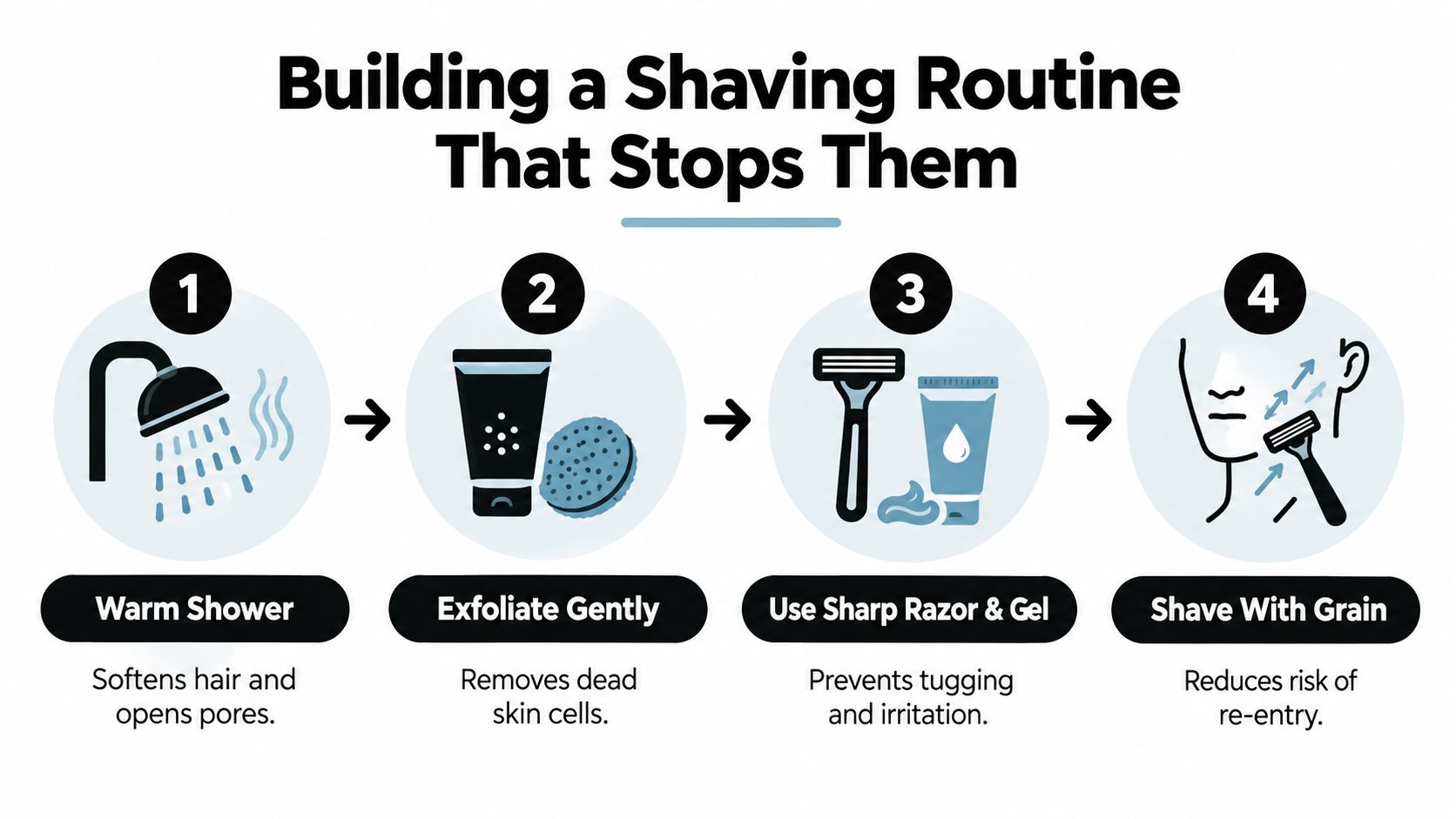
The BAD advises avoiding tight skin stretching, considering a single blade, shaving every second day rather than daily where possible and aiming for approximately 1 mm of stubble (BAD advice on pseudofolliculitis). These choices address the same cause: cutting hair so closely that it retracts inside the follicle. The right routine depends on the removal method, so prevention means changing the behaviour that repeatedly creates the problem.
Building a Shaving Routine That Stops Them
A shaving routine should leave little behind: softened hair, minimal dragging, few passes and skin that settles quickly. If bumps keep returning, change the behaviour that causes them rather than just adding stronger products.
Prepare the skin before the blade
Begin with warm water, not a dry shave. A warm shower softens the hair, while clear gel or shaving cream gives the blade a lubricated path. A thick opaque foam can hide the growth direction and make repeated passes more likely.
Use a clean, sharp razor. A single blade or guarded razor may be easier to control when close shaving repeatedly causes bumps. Multi-blade tools can still work, but use light pressure and stop chasing a perfectly smooth finish if that finish brings irritation.
Check the growth direction with a clean finger before shaving. It can change across the neck, underarm and bikini line, so treat each area separately. Move with the grain, use short strokes and rinse the razor after every stroke. This approach leaves some smoothness on the table, but it reduces friction and repeated contact with the same follicle.
Leave a little room for the follicle
The 1 mm stubble rule is a practical compromise. The result may feel less smooth than an against-the-grain shave, yet leaving a little length reduces the pressure to cut the hair too closely or below the skin's surface. Avoid stretching the skin tight, since releasing it can leave the cut hair sitting too low in the follicle.
Rinse with cool water when finished, then press a clean towel against the skin instead of rubbing. Apply a light, fragrance-free moisturiser. Glycerin or panthenol can add hydration without leaving a heavy coating.
Skip exfoliation immediately after shaving. Freshly shaved skin has already had friction, so a scrub or acid can increase stinging. Once the area feels comfortable, introduce gentle exfoliation rather than scrubbing hard to remove every visible flake.
Aftercare rule: If a product burns, tightens the skin or leaves lasting redness, stop using it at that stage of the routine.
A dull blade drags and tugs, which encourages extra passes. Clean or replace the tool when its condition changes instead of compensating with more pressure. If razor burn is already present, use this guide to razor burn first aid for sensitive skin and calm the area before removing hair again.
Treat this as a behaviour change, not a one-shave fix. Keep the lower-pressure technique and slightly less close finish consistent through a realistic four to six week reset, while adjusting sooner if redness or bumps worsen.
Choosing Between Shaving, Waxing, Epilators and Creams
A method that leaves smooth skin today can create bumps tomorrow. Choose based on your hair texture, skin sensitivity and the area being treated. The practical aim is to reduce irritation and avoid repeated close removal while the skin settles over a realistic four to six week reset.
Shaving cuts hair at the surface, so pressure, direction and repeated strokes affect regrowth. Waxing and epilation remove hair from the root, but pulling can inflame the follicle or break a hair beneath the surface. Depilatory creams avoid blades and pulling, although their chemicals can irritate reactive skin.
| Method | Why It Causes Ingrowns | Prevention Tweak | Higher-Risk Skin Type |
|---|---|---|---|
| Shaving | A close cut, repeated strokes or shaving against growth can irritate the follicle and encourage the hair to re-enter the skin. | Shave with growth, use light pressure and leave approximately 1 mm of stubble. | Coarse or curly hair, especially around the beard, neck and bikini line. |
| Waxing | Pulling may inflame the follicle, while a broken or distorted regrowth path can trap the new hair. | Prepare gently when the skin tolerates it, then reduce friction and follow careful aftercare. | Sensitive or recently irritated skin, particularly where clothing rubs. |
| Epilation | The device may pull short hairs unevenly, and repeated passes can increase irritation. | Work slowly, avoid stubborn repeat passes and stop if redness develops. | Sensitive skin or areas with tightly curled, coarse regrowth. |
| Depilatory creams | The active chemicals dissolve hair near the surface but may irritate reactive skin. | Patch-test as directed and remove promptly if burning starts. | Sensitive, eczema-prone or recently tanned skin. |
Waxing requires planning around the appointment. Gentle preparation may help keep the follicle opening clear, but freshly sensitised skin should not be scrubbed aggressively. Afterwards, wear loose, breathable clothing and avoid rubbing the area while it calms. The trade-off is a longer hair-free interval, with more potential irritation around the treatment itself.
Epilators can suit someone who wants root removal but does not tolerate wax. Use the device on clean, dry skin if its instructions recommend that method. Keep the device moving slowly, and do not chase every short hair with repeated passes. A closer result is not worth prolonged redness.
Depilatory creams are convenient, but they are not automatically gentler. Follow the product instructions, patch-test before wider use and keep the cream away from broken or inflamed skin. Stop and rinse if stinging or burning develops. For longer-term planning, this comparison of laser hair removal and waxing can help you compare methods beyond the next session.
For recurring pseudofolliculitis, the most useful option may be the one that creates a longer gap between close removals. The Primary Care Dermatology Society guidance on pseudofolliculitis states that stopping shaving, waxing or tweezing is the only certain cure for the active trigger. Longer-term hair reduction may be considered where appropriate, particularly when repeated removal keeps restarting the problem.
Daily Skincare Habits That Keep Follicles Clear
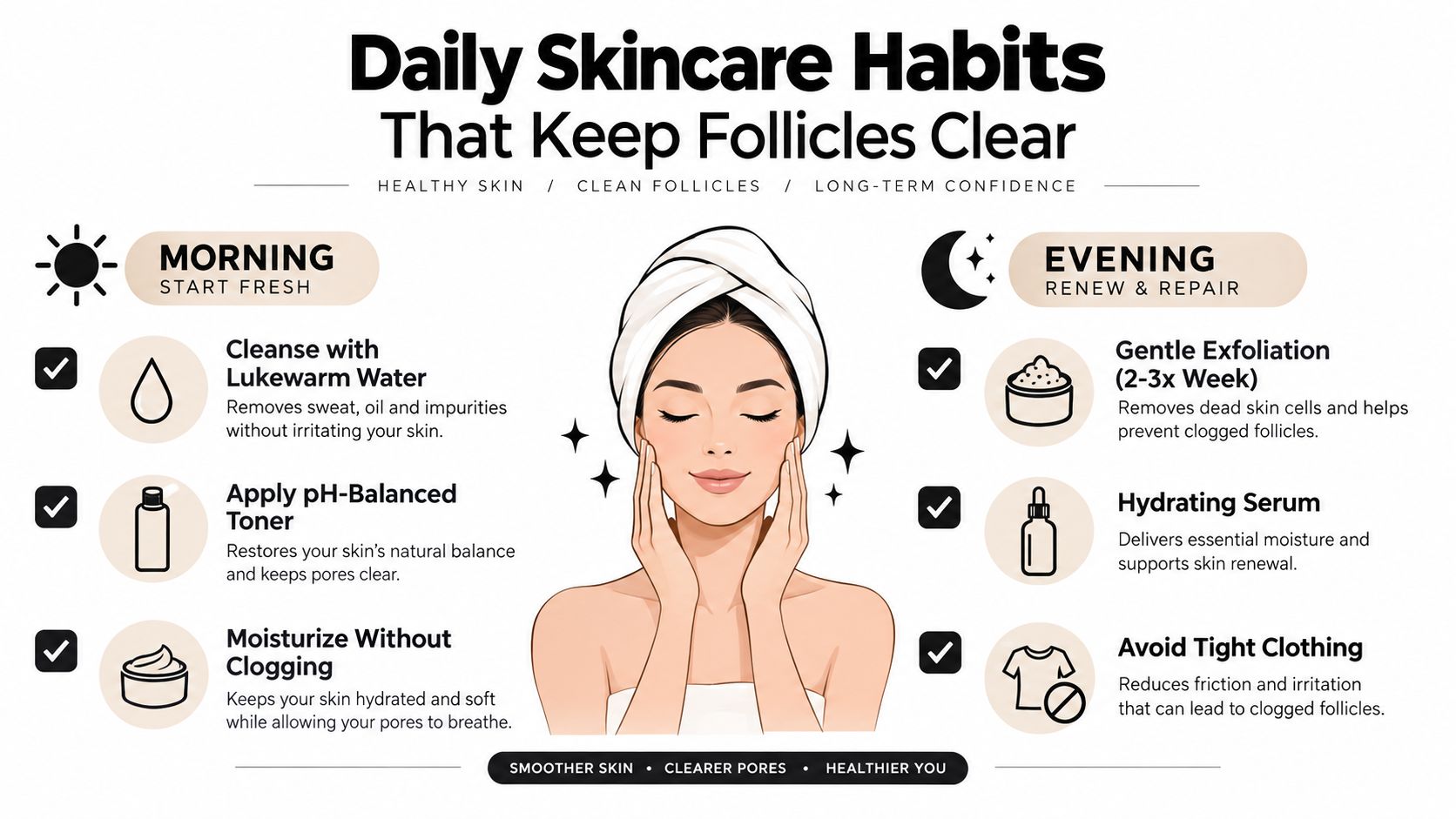
The days between hair-removal sessions often decide whether the next hair grows through calm, flexible skin or meets dryness, swelling and surface build-up. Prevention therefore works best as a behaviour change project, not a search for one powerful product. Give a steadier routine a realistic four to six-week recovery window before judging the result.
Wash with lukewarm water and a non-stripping cleanser. This removes sweat, product residue and debris without leaving the skin tight or squeaky. Apply a lightweight moisturiser while the skin is still slightly damp. Glycerin, hyaluronic acid and ceramides can support hydration without making a body routine feel heavy. For more guidance on why a skincare routine is so important, focus on consistency rather than adding several products at once.
Exfoliation needs control
Exfoliation may reduce surface build-up, but forceful scrubbing can increase irritation around a follicle. Choose one method and use it gently:
- Sensitive skin: Use a soft muslin cloth occasionally, with minimal pressure.
- Oily or blemish-prone areas: A salicylic acid product may suit the area if your skin tolerates it.
- Thicker body skin: A glycolic acid body lotion may be appropriate, introduced gradually and kept separate from hair-removal days.
Do not use a physical scrub and a chemical exfoliant in the same session. Combining them can leave the area more inflamed, especially after shaving or waxing. NHS prevention advice includes exfoliating as one possible measure, while also stressing reduced irritation and better hair-removal technique. Scrubbing harder is rarely the answer.
A fragrance-free, anti-inflammatory moisturiser can help when redness is a regular problem. Niacinamide or centella asiatica may fit a calming routine, and alcohol-free aloe vera gel can feel comfortable on sensitive body areas. Stop using any product that causes burning or persistent redness.
Protect the result between sessions
Friction can undo a careful skincare routine. Tight underwear, restrictive activewear and rough seams may rub against regrowing hairs around the bikini line and upper thighs. Choose breathable clothing when the area feels tender, change out of sweaty garments promptly and notice which fabrics or activities repeatedly trigger irritation.
On the face and other exposed areas, sunscreen can reduce the contrast of marks left after inflammation. It will not stop a hair becoming ingrown, but it supports a more even-looking result while the skin settles.
For product ideas, compare the best body scrubs for ingrown hair, then choose the gentlest suitable formula rather than the strongest one. Keep the routine simple, record which habit changes the bumps, and allow the full four to six weeks before making another major change.
When Professional Treatments Become the Smart Choice
At-home care makes sense when bumps are mild, occasional and tied to a habit you can change. Repeated inflammation in the same area, despite gentler hair removal and less friction, is a sign to stop testing stronger scrubs and arrange an assessment.
Seek medical advice if a bump becomes increasingly painful, hot, swollen or starts draining fluid. Spreading redness, recurring cyst-like lesions and pigment changes that do not settle also need attention. A GP or dermatologist can tell an ordinary ingrown hair apart from folliculitis, infection, scarring or another condition requiring different treatment.
Prescription treatment may be appropriate when inflammation or pigmentation continues to cause problems. Options can regulate skin-cell turnover, reduce inflammation or treat infection, depending on the area, your skin history and whether the lesion is infected. Keep strong actives away from broken skin, and do not combine several irritating products without professional guidance.
Laser hair reduction needs an honest assessment
Laser hair reduction targets the follicle and reduces hair density. It can interrupt the repeated close-shaving cycle that contributes to bumps, rather than just calming the surface. It may suit people with coarse, dark hair, but darker skin tones carry a meaningful risk of increased or decreased pigmentation from laser or intense pulsed light treatment.
That trade-off makes a proper consultation important. The wavelength, settings, cooling, practitioner experience and your skin type all affect the decision. Laser is not a universal cure and may not remove every hair permanently. When suitable, it can reduce how often you need to shave closely.
A sensible clinic question: Ask which device and settings suit your skin type, what pigmentation risks apply, and what maintenance may be needed.
If you are considering a local provider, 3D Aesthetics Leamington Spa lists laser hair reduction among its treatment services. Start with a skin assessment and ask for a clear explanation of suitability, expected regrowth and aftercare.
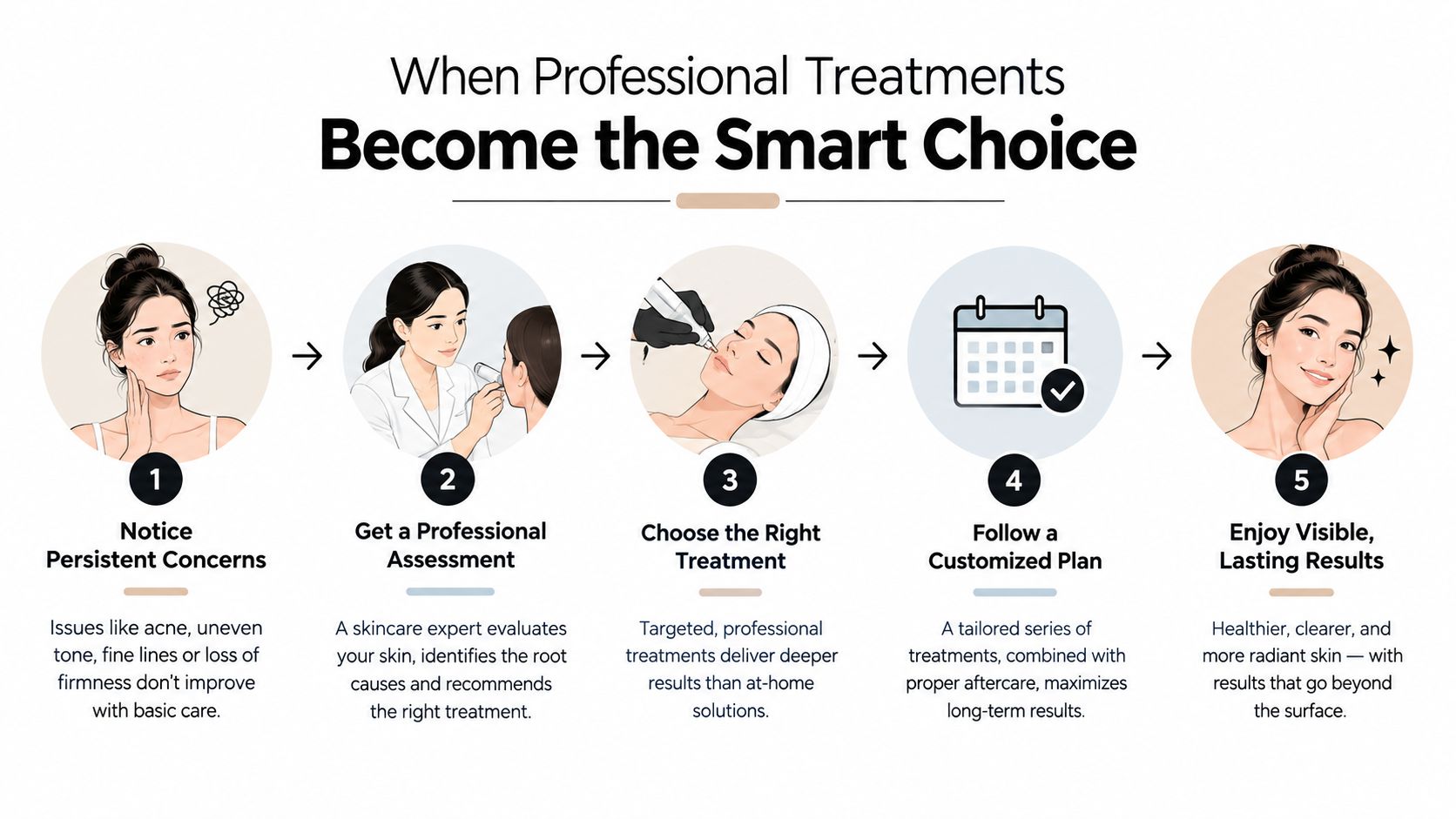
Professional treatment deserves consideration when shaving is unavoidable for work, sport or personal preference and the same zones keep flaring. The goal is a routine you can maintain over the four to six week recovery window, not a quick fix followed by the same triggers. With darker skin, choose a practitioner who can explain pigmentation risk and the reason for each setting. A lower-risk plan that fits your behaviour is preferable to an aggressive treatment that creates another skin problem.
Your Four to Six Week Reset Plan
Give the next 4–6 weeks to a reset rather than a search for stronger products. This recovery window reflects UK dermatology guidance on how long inflammation may take to settle after shaving, waxing or tweezing triggers stop (BAD pseudofolliculitis guidance).
Start with an honest audit of the area. Stop picking, replace a dragging or poorly maintained razor, remove fragranced products that sting, and record whether bumps follow shaving, waxing, epilation or friction. If pausing hair removal is practical, let the skin have a genuine break.
When the surface feels calmer, reintroduce your chosen method gradually. Shavers should follow hair growth, use lubrication, limit passes and leave slight length. Waxing and epilation need careful control of friction during regrowth. Keep exfoliation gentle and consistent. Never scrub aggressively at a bump that has not cleared.
Review the pattern weekly rather than judging one morning in the mirror:
- If bumps are reducing: Keep the routine steady. Gradual improvement does not justify stronger products.
- If the same areas stay inflamed: Arrange a consultation instead of scrubbing harder or shaving closer.
- If marks become more visible: Protect exposed skin from UV and ask whether pigmentation needs separate treatment.
- If skin becomes painful, warm, swollen or starts draining fluid: Seek medical advice promptly.
Choose the routine you can repeat without irritation. Coarse regrowth, deeper inflammation and established scarring may need professional input, and extra products will not necessarily resolve them.
If recurring ingrown hairs make shaving or waxing difficult, 3D Aesthetics Leamington Spa can discuss laser hair reduction and other suitable treatments in a personalised consultation. The clinic can review your skin type, hair-growth pattern and practical options.
← Back to Home